Endometriosis Treatment Washington DC – Leading Specialists in Women’s Gynecological Health

November 26, 2025 | Stephen Lambert

Finding the Best Endometriosis Specialist in Washington DC for Your Needs
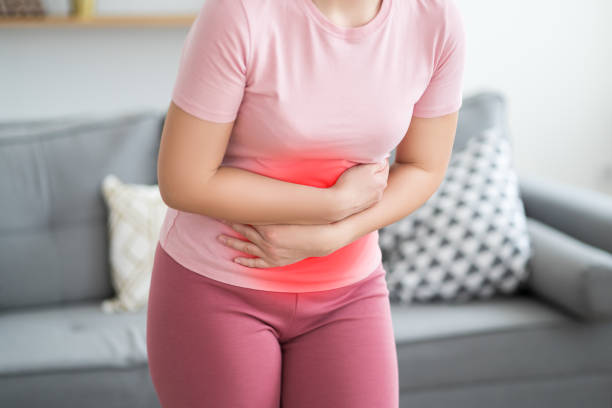
Stomach ache, symptoms of gastritis or pancreatitis, woman with abdominal pain at home interior Stomach ache, symptoms of gastritis or pancreatitis, woman with abdominal pain suffering at home interior, painful area highlighted in red Endometriosis stock pictures, royalty-free photos & images

Selecting the right specialist for your endometriosis care is a critical step in managing the condition effectively. With so many medical professionals offering different levels of expertise, it’s essential to evaluate your options carefully. Below are steps and considerations to help you make an informed decision.

Understand the Role of an Endometriosis Specialist

  • Gynecologists: General gynecologists often manage mild cases but may not have expertise in advanced surgical techniques.
  • Reproductive Endocrinologists: These specialists focus on fertility concerns related to endometriosis.
  • Minimally Invasive Surgeons: Experts skilled in laparoscopic or robotic procedures to address severe cases or excise endometrial tissue.

Understanding their scope of practice can help guide your choice based on your current needs.

Steps to Choosing the Right Specialist

  1. Gather Recommendations: Ask your primary care doctor, friends, or family members for referrals. Online support groups and forums can also be valuable resources for recommendations.
  2. Verify Credentials: Check if the specialist is board-certified and has specific training or experience in managing endometriosis.
  3. Assess Experience: Look for specialists who frequently treat patients with endometriosis and perform surgeries like excision procedures if needed.
    • How many endometriosis patients do you see annually?
    • What surgical techniques do you use?
  4. Compatibility with Your Goals: Whether you’re seeking symptom management, fertility preservation, or long-term care, ensure that the specialist aligns with your priorities.
  5. Research Reviews: Patient reviews can offer insights into a provider’s communication style, approachability, and success rates.

Questions to Ask During Your Consultation

Prepare a list of questions before meeting a potential specialist: – What diagnostic methods do you use for endometriosis?
– How do you determine the best course of treatment?
– Do you collaborate with pain management experts or dieticians?

Taking these questions into consultations ensures that you gather all necessary information to make an informed decision.

Comparing Specialists

Criteria Specialist 1 Specialist 2 Notes
Years of Experience ______ ______
Certifications ______ ______
Special Techniques Used ______ ______
Communication Fit Yes/No Yes/No

Use a simple table like this during your research process to compare multiple specialists side by side.

Red Flags to Watch For

While searching for a specialist, be cautious if:
– They dismiss symptoms as “normal” without thorough examination. – They lack experience with minimally invasive surgery or excision techniques. – Their focus relies heavily on hormonal therapies without discussing alternative approaches.

Choosing an experienced and compassionate endometriosis specialist can significantly impact your quality of life and treatment outcomes over time. Take your time researching options that align with both short-term goals and long-term health needs.

Comprehensive Support Services for Those Living with Washington Endometriosis

Living with endometriosis can be physically and emotionally challenging. Fortunately, there are a variety of free support services available to help individuals manage their symptoms, connect with others, and gain access to valuable resources. Below is an overview of the types of support available, how they can benefit those living with endometriosis, and where to find them.

Exploring Free Support Services for Endometriosis Surgery in Washington DC

  1. Virtual communities provide a space for individuals to share experiences, ask questions, and receive advice from others dealing with similar challenges.
  2. Popular platforms such as Facebook or specific forums like MyEndometriosisTeam offer specialized groups focused on endometriosis support.
  3. Benefits include accessibility, anonymity for those who prefer privacy, and the ability to connect from anywhere.
  4. Many organizations offer programs where individuals newly diagnosed with endometriosis are paired with mentors who have experience managing the condition.
  5. These mentors provide guidance on navigating treatments, advocating for care, and coping strategies.
  6. Organizations like the Endometriosis Foundation of America or EndoWhat host free virtual events featuring medical experts discussing treatment options, pain management techniques, and lifestyle modifications.
  7. These sessions often include Q&A opportunities to address specific concerns.
  8. Several non-profits run hotlines staffed by trained volunteers or professionals who provide emotional support and guidance related to living with endometriosis.
  9. Examples include Pain Concern’s helpline or national health service hotlines in some countries.
  10. Free apps such as Flo or Clue allow users to track symptoms like pain intensity, menstrual cycles, and mood changes.
  11. These tools help patients communicate more effectively with healthcare providers by providing detailed symptom data over time.

Finding an Endometriosis Doctor Washington DC: Key Organizations Providing Support

Organization Name Key Offerings Cost Website/Contact Info
EndoFound (Endometriosis Foundation of America) Webinars, community forums Free www.endofound.org
The ENDO Network Online peer groups Free www.theendo.net
Pain Concern Counseling helplines Free www.painconcern.org.uk
MyEndometriosisTeam Virtual social network for endo patients Free www.myendometriosisteam.com

Finding the Right Endometriosis Expert in Washington DC

  • Emotional Well-Being: Sharing experiences within a supportive environment reduces feelings of isolation associated with chronic illness.
  • Practical Tips: Learning from others who face similar challenges provides actionable advice on topics like diet changes or medication side effects.
  • Advocacy Skills: Many resources empower patients to advocate effectively when working with healthcare professionals.

By leveraging these free services tailored specifically for those living with endometriosis, individuals can build a strong support system while gaining access to valuable tools that ease daily challenges associated with this condition.

Supporting the Endometriosis Center Washington DC Through Fundraising and Advocacy Campaigns

Raising awareness about endometriosis and increasing funding for research are critical components in supporting individuals affected by the condition. These efforts not only help accelerate advancements in medical treatments but also reduce stigma, promote education, and foster understanding. Below is a comprehensive overview of how fundraising and awareness campaigns are driving change in the endometriosis community.

Importance of Fundraising for Endometriosis

Funding plays an essential role in:
– Supporting cutting-edge research to develop better diagnostic tools and treatments.
– Providing financial assistance for patients who might struggle with medical expenses.
– Organizing educational programs to raise public awareness about the disease.
– Training healthcare professionals on recognizing symptoms early, which can lead to timely diagnosis.

Types of Awareness Campaigns

  1. Use platforms like Instagram, Twitter, and Facebook to share personal stories, infographics, and statistics.
  2. Examples include hashtags such as #EndoWarriors or #EndometriosisAwarenessMonth.
  3. Live Q&A sessions with specialists help educate audiences globally.
  4. Walkathons or marathons organized to raise funds while also spreading awareness about endometriosis.
  5. Local seminars where survivors share experiences or experts provide insights into managing symptoms.
  6. Collaborations with businesses that create co-branded merchandise (e.g., T-shirts or bracelets) where proceeds go toward endometriosis research foundations.
  7. Workplace awareness initiatives designed for educating employees about the condition.
  8. Engaging with national news outlets to spotlight common struggles faced by individuals living with endometriosis.
  9. Documentaries or podcast series highlighting patient journeys and advancements in science.

How You Can Get Involved

  • Donations: Contribute directly to organizations like the Endometriosis Foundation of America (EFA) or Worldwide EndoMarch. Every dollar counts toward improving care for patients globally.
  • Volunteer Work: Offer time at events such as fundraisers, workshops, or support groups.
  • Advocacy: Share knowledge within your community by distributing brochures or presenting at local clubs/schools.
  • Start Your Own Campaigns: Organize neighborhood events that align with your passions while raising money for a cause.

Table: Examples of Notable Organizations Supporting Endometriosis Advocacy

Organization Name Key Initiatives Website
Endometriosis Foundation of America Educational programs & research funding www.endofound.org
Worldwide EndoMarch Global marches & advocacy campaigns www.endomarch.org
The Yellow Spoon Movement Spreading awareness through creative storytelling www.theyellowspoon.com

Measurable Impact of Campaigns

The success of these efforts is evident in several ways:
– Increased public understanding has led more individuals to seek medical advice earlier rather than ignoring symptoms.
– Policymakers have begun addressing gaps in healthcare coverage and gender-based health inequities due to persistent lobbying efforts by advocacy groups.
– A growing number of clinical studies dedicated solely to endometriosis have emerged over the last decade due to increased funding resources.

Fundraising combined with widespread education amplifies voices within the community while creating pathways toward better care options for future generations affected by this chronic condition.

Lower abdominal pain in woman Lower abdominal pain in woman Endometriosis stock pictures, royalty-free photos & images

Workshops and Groups Dedicated to Endometriosis Education and Support

Workshops and support groups are invaluable resources for individuals living with endometriosis. They provide both education and a sense of community, helping participants better understand their condition while connecting with others who share similar experiences. Below, we’ll explore the benefits of these programs, what to look for when choosing one, and how they can enhance overall well-being.

Benefits of Workshops and Support Groups

Participating in workshops or support groups offers numerous advantages:
Knowledge Building: Learn about the latest research, treatment options, and self-care strategies.
Emotional Support: Share your journey with others who face the same challenges. This can reduce feelings of isolation.
Skill Development: Gain tools to manage pain, build mental resilience, and navigate medical systems effectively.
Resource Sharing: Discover practical tools such as dietary tips or exercise routines tailored for those with endometriosis.

Studies suggest that peer-led support groups contribute to improved mental health outcomes among individuals dealing with chronic illnesses like endometriosis.

Types of Workshops and Groups Available

There are a variety of workshops and groups dedicated to educating and supporting people with endometriosis. Examples include:
1. Educational Seminars: Focused on topics like hormonal therapies, surgical options, or fertility challenges associated with endometriosis.
2. Wellness-Focused Classes: Includes yoga for pain management, mindfulness sessions for stress reduction, or nutrition workshops exploring anti-inflammatory diets. 3. Peer-Led Support Groups: Safe spaces where participants can share experiences without judgment. 4. Specialized Programs for Partners/Family Members: Designed to educate loved ones about the condition so they can provide more effective support. 5. Virtual Communities: Online workshops or discussion forums for those who may not have access to in-person events due to location or mobility concerns.

How to Find the Right Workshop or Group

Selecting the right workshop or group ensures you gain maximum benefit from your participation: – Look for programs led by certified professionals (e.g., physicians, counselors) or experienced facilitators with a background in endometriosis care. – Prioritize groups that maintain a supportive, non-judgmental environment. – Ensure accessibility by considering location, cost (many are free), timing, and whether online options are available. – Seek reviews or testimonials from past attendees if possible.

Sample Table Comparing In-Person vs Online Groups

Feature In-Person Groups Online Groups
Accessibility May require travel Accessible from anywhere
Interaction Face-to-face communication Virtual connection via chat/video
Cost May involve venue/travel expenses Often free or minimal cost
Flexibility Fixed schedule Flexible timing

Both formats have their merits; choose one based on your personal needs.

Final Thoughts on Workshops

Workshops and support groups dedicated to endometriosis education empower individuals by fostering knowledge-sharing networks that improve quality of life emotionally and physically alike through collective wisdom & shared solidarity

Endo Education Hub: Your Resource for Understanding Endometriosis

Understanding endometriosis can often feel overwhelming due to the complexity of the condition and the abundance of information available. However, having access to a centralized hub tailored for reliable and accurate education is critical. An Endo Education Hub serves as a valuable resource for individuals looking to deepen their understanding of this chronic condition, empowering patients, caregivers, and advocates alike.

Key Features of an Effective Endo Education Hub

  • What is endometriosis?
  • Symptoms and stages of endometriosis
  • Common myths vs. facts about the condition
  • Overview of hormonal therapies
  • Surgical management, including excision surgery
  • Pain management strategies (medications, physical therapy, alternative therapies)
  • Emotional wellness strategies for patients and families
  • Access to online forums or local support groups
  • Diet recommendations to manage symptoms
  • Exercise routines tailored for individuals with chronic pelvic pain

Why an Educational Hub Matters

Endometriosis affects approximately 1 in 10 women globally, yet many go undiagnosed for years due to lack of awareness or misdiagnosis. An education hub ensures individuals have access to credible, science-backed information that can lead to earlier diagnosis and better management of this life-altering disease.

Benefits:
  1. Reduces misinformation by providing verified facts.
  2. Empowers patients with knowledge about their options.
  3. Centralizes resources such as research updates, clinical trial opportunities, and advocacy campaigns.

Example Table: Common Symptoms vs. Less Common Symptoms

Common Symptoms Less Common Symptoms
Chronic pelvic pain Leg pain radiating from the pelvis
Heavy menstrual bleeding Shortness of breath (endometriosis on diaphragm)
Pain during intercourse (dyspareunia) Sciatic nerve compression
Fatigue Bowel obstruction

How to Use an Endo Education Hub Effectively

  1. Start with Basics: Read introductory content that explains what endometriosis is and its impact on life.
  2. Explore Advanced Topics: Delve into specialized areas like fertility challenges or advanced surgical interventions when applicable.
  3. Connect with Experts: Leverage directories if they include links to specialists or telehealth services.
  4. Engage in Self-Learning Tools: Use interactive tools like symptom trackers or decision-making aids for treatment plans.

Encouraging Lifelong Learning About Endometriosis

An effective Endo Education Hub fosters continuous learning by updating its resources regularly with peer-reviewed research findings and insights from healthcare professionals specializing in gynecology or reproductive health. It also helps cultivate a supportive community by integrating patient stories that inspire hope while advocating for further awareness about this complex condition.

By providing a reliable platform filled with actionable knowledge, these hubs ensure that those affected by endometriosis feel informed, validated, and supported throughout their journey toward better health outcomes.


November 26, 2025 | Stephen Lambert

Finding the Right Endometriosis Specialist in Washington DC and Exploring Dietary Principles

Doctor with Uterus and Ovaries anatomy model. Ovarian and Cervical cancer, Cervix disorder, Endometriosis, Hysterectomy, Uterine fibroids, Reproductive system, Pregnancy and health concept Doctor with Uterus and Ovaries anatomy model. Ovarian and Cervical cancer, Cervix disorder, Endometriosis, Hysterectomy, Uterine fibroids, Reproductive system, Pregnancy and health concept Endometriosis stock pictures, royalty-free photos & images

Endometriosis is a chronic condition where tissue similar to the lining of the uterus grows outside of it, causing pain, inflammation, and potentially impacting fertility. While medical treatments such as surgery and hormone therapy are common approaches to managing the condition, diet also plays a significant role in alleviating symptoms and improving quality of life. The Endometriosis Diet revolves around reducing inflammation, balancing hormones, and supporting overall well-being through thoughtful nutritional choices.

Key Goals of an Endometriosis Diet

  1. Reduce Inflammation: Chronic inflammation is a hallmark of endometriosis. The diet focuses on anti-inflammatory foods to help mitigate pain and swelling.
  2. Balance Hormones: Certain foods can help regulate estrogen levels in the body, which is crucial since excess estrogen can fuel the growth of endometrial-like tissue.
  3. Support Gut Health: A healthy gut microbiome is essential for proper digestion and hormone metabolism.
  4. Enhance Immune Function: Strengthening immune health may help reduce disease progression.

Principles to Follow

  • Prioritize Anti-Inflammatory Foods: Incorporate plenty of fruits, vegetables, nuts, seeds, whole grains, and fatty fish rich in omega-3 fatty acids.
  • Choose Fiber-Rich Options: Fiber helps support healthy digestion and hormone regulation by aiding estrogen elimination through the digestive tract.
  • Avoid Pro-Inflammatory Triggers: Limit processed foods high in refined sugar or unhealthy fats that can exacerbate inflammation.
  • Focus on Nutrient-Dense Choices: Emphasize vitamins (like A, C, E) and minerals (like magnesium and zinc), which support immune health.
  • Stay Hydrated: Proper hydration supports detoxification processes that play a role in managing symptoms.

Example Table Comparison

Principle Foods to Include Foods to Limit or Avoid
Anti-inflammatory Leafy greens (spinach), berries Fried foods, processed snacks
Hormonal balance Flaxseeds, cruciferous vegetables Soy products (in excess)
Gut health Fermented foods (kimchi/yogurt) High-sugar drinks
Avoiding triggers Gluten-free grains (quinoa) Refined carbs

Benefits of Following These Principles

Adhering to these dietary principles may lead to several benefits for individuals with endometriosis: – Reduced pelvic pain due to lower overall inflammation levels. – Improved energy levels by avoiding blood sugar spikes caused by refined carbohydrates. – Better digestion through increased fiber intake. – Hormonal stability resulting from nutrient-dense choices.

By focusing on these key dietary principles alongside professional medical advice tailored to individual needs, people with endometriosis can take meaningful steps toward better symptom management.

Exploring Endometriosis Surgery Washington DC and Key Dietary Principles

Focus on Anti-Inflammatory Foods

Chronic inflammation plays a significant role in endometriosis symptoms. Incorporating foods with anti-inflammatory properties may help reduce this response:
Fruits and Vegetables: Prioritize colorful options like leafy greens (spinach, kale), cruciferous vegetables (broccoli, cauliflower), and antioxidant-rich berries (blueberries, strawberries). These are high in vitamins, minerals, and antioxidants to combat inflammation.
Healthy Fats: Include omega-3 fatty acids from sources such as salmon, mackerel, walnuts, chia seeds, and flaxseeds. Omega-3s are known to have anti-inflammatory effects.
Herbs and Spices: Use turmeric (curcumin), ginger, and garlic in meals for their proven anti-inflammatory benefits.

Support Hormonal Balance

Since endometriosis is often linked to estrogen dominance or hormonal imbalances, dietary adjustments can play a role in promoting balance:
1. High-Fiber Foods: – Whole grains like quinoa, oats, and brown rice. – Legumes including lentils and chickpeas. – Fresh fruits such as apples (with skin) and pears. – Fiber helps regulate estrogen levels by promoting its excretion through the digestive system.

  1. Broccoli
  2. Brussels sprouts
  3. Cabbage
    These contain compounds that support liver detoxification of excess hormones.

Limit Pro-Inflammatory Triggers

Avoiding certain foods that exacerbate inflammation or hormonal imbalances is equally vital. This includes:
| Food Category | Examples | Reason for Avoidance | |———————–|——————————————-|—————————————| | Processed Foods | Chips, packaged snacks | High in trans fats; promotes inflammation | | Refined Carbohydrates | White bread, pastries | Causes blood sugar fluctuations | | Dairy Products | Milk, cheese | May contribute to inflammation in some individuals | | Red Meat | Beef cuts high in saturated fat | Linked with higher estrogen levels |

Prioritize Gut Health

A healthy gut microbiome supports overall well-being by aiding nutrient absorption and hormone metabolism. Some strategies for maintaining gut health include:
– Consuming prebiotic-rich foods like bananas and asparagus to nourish good bacteria.
– Adding probiotic sources such as yogurt with live cultures or fermented foods like kimchi and sauerkraut for improved digestion.

By understanding these core principles—reducing inflammation through diet, supporting hormonal balance via nutrient-rich choices, avoiding inflammatory foods, and optimizing gut health—individuals with endometriosis can adopt a dietary approach that complements medical treatments effectively while promoting long-term symptom relief.

Best Dietary Tips from an Endometriosis Doctor Washington DC

Diet plays a significant role in managing the symptoms of endometriosis. While certain foods can help alleviate inflammation and hormone imbalances, others may exacerbate symptoms. Understanding which foods to avoid is essential for reducing pain, improving overall health, and promoting hormonal balance. Below are key food groups to limit or eliminate for better management of endometriosis.

Processed Foods

Highly processed foods are often rich in unhealthy fats, sugars, and additives that can contribute to inflammation and hormonal imbalances. These include:
– Packaged snacks (chips, crackers, etc.)
– Frozen meals such as microwavable dinners
– Fast food like burgers and fries
– Sugary cereals

Processed foods typically have low nutritional value while being high in trans fats and artificial preservatives that may worsen endometriosis-related inflammation.

Dairy Products

Dairy products can potentially lead to increased estrogen levels in the body due to their hormone content. Additionally, for many individuals, dairy may promote inflammation or digestive issues. Consider avoiding or minimizing:
– Milk (whole milk, skim milk)
– Cheese (cheddar, mozzarella, cream cheese)
– Yogurts with added sugars or artificial flavors

For those who enjoy dairy alternatives, plant-based milks like almond milk or oat milk can serve as excellent replacements.

Red Meat and Processed Meats

Red meats and processed meats are often linked to higher levels of inflammation due to their saturated fat content. Moreover, certain studies have suggested that these meats might influence excess estrogen production. Types of meat to avoid include:
– Beef (ground beef, steak)
– Pork products such as bacon or sausages
– Deli meats like salami or bologna

Opt instead for lean proteins like fish or plant-based options such as lentils and chickpeas.

Refined Carbohydrates and Sugars

Refined carbs can cause blood sugar spikes that affect insulin levels—potentially leading to an imbalance in hormones that worsens symptoms of endometriosis. Foods in this category include:
| High-Sugar & Refined Carb Foods | Healthier Alternatives |
|———————————|————————-|
| White bread | Whole-grain bread |
| Pastries | Homemade fruit muffins |
| Regular pasta | Whole-wheat pasta |
| Sweets like candy | Dark chocolate |

Reducing refined carbohydrates not only helps manage symptoms but also supports healthy digestion—a critical component when living with endometriosis.

Caffeine and Alcohol

Excessive consumption of caffeine and alcohol can disrupt hormonal balance by affecting the liver’s ability to process estrogen properly. While occasional moderation is acceptable for some individuals:
– Limit coffee intake (opt for herbal teas instead).
– Reduce wine, beer, and spirits consumption during flare-ups.

By identifying these trigger foods within your diet and substituting them with healthier alternatives—such as whole grains, vegetables rich in antioxidants, and lean proteins—you’ll be better equipped to manage the discomfort associated with endometriosis while supporting overall well-being.

Breast cancer awareness in menopause woman who consulting with doctor diagnostic examining on obstetric - gynaecological female patient illnes and health in medical clinic Breast cancer awareness in menopause woman who consulting with doctor diagnostic examining on obstetric - gynaecological female patient illnes and health in medical clinic Endometriosis stock pictures, royalty-free photos & images

Meal Planning Tips from an Endometriosis Expert Washington DC

  1. Focus on Anti-Inflammatory Foods: Incorporate ingredients rich in antioxidants, omega-3 fatty acids, and phytonutrients to reduce inflammation.
  2. Prioritize Hormone-Balancing Nutrients: Choose foods that support healthy hormone regulation, such as fiber-rich vegetables and whole grains.
  3. Plan for Consistency: Regular meals with balanced macronutrients (protein, healthy fats, complex carbohydrates) can promote stable blood sugar levels and reduce hormonal fluctuations.
  4. Avoid Trigger Foods: Limit or exclude processed foods, added sugars, trans fats, alcohol, caffeine, and other potential irritants.

One-Day Meal Plan for Patients at the Endometriosis Center Washington DC

Meal Components
Breakfast – Spinach and avocado smoothie with almond milk
– Chia seeds for added omega-3s
Snack – A handful of walnuts or pumpkin seeds
Lunch – Quinoa salad with roasted sweet potatoes, kale, chickpeas
– Olive oil dressing with lemon juice
Snack – Sliced cucumbers and hummus
Dinner – Baked salmon with steamed broccoli
– Brown rice or cauliflower rice

This meal plan prioritizes anti-inflammatory ingredients while balancing macronutrients to provide sustained energy throughout the day.

Tips for Practical Implementation

  • Batch Cooking: Prepare meals in advance to save time during busy weekdays. For instance:
  • Cook grains like quinoa or brown rice in large batches.
  • Roast vegetables such as sweet potatoes or carrots ahead of time.
  • Simple Swaps: Replace inflammatory ingredients with healthier alternatives:
  • Use olive oil instead of butter or margarine.
  • Swap refined grains for whole grains like farro or millet.
  • Invest in Storage: Use glass containers to store pre-prepared meals safely.

Flexible Options

For variety across the week: – Try protein options like lentils, tofu, or tempeh on meatless days. – Rotate leafy greens (e.g., arugula instead of kale) for salads to diversify nutrients.

Monitoring Progress

Maintaining consistency is key when following a diet focused on managing endometriosis symptoms. It may be helpful to track your symptoms along with dietary patterns in a journal. This approach helps identify which foods work best for your body while staying aligned with nutritional goals.

Creating a Practical and Balanced Meal Plan for Endometriosis

When managing endometriosis, adopting a practical and balanced meal plan is crucial for reducing inflammation and promoting overall well-being. Meal planning can help ensure you’re getting the right nutrients while avoiding triggers that may exacerbate symptoms. Below is a guide on how to create an effective meal plan tailored to your needs.

Key Considerations for an Endometriosis Meal Plan

  1. Incorporate fresh fruits like berries, oranges, and apples.
  2. Include vegetables such as leafy greens (spinach, kale) and cruciferous options (broccoli, cauliflower).
  3. Choose healthy fats like avocados, olive oil, and nuts to reduce inflammation.
  4. Opt for whole grains like quinoa, brown rice, or oats instead of refined carbohydrates.
  5. Prioritize Omega-3 Fatty Acids
    Omega-3 fatty acids have been shown to help reduce inflammation in the body. Excellent sources include:
  6. Fatty fish such as salmon, mackerel, or sardines.
  7. Flaxseeds and chia seeds (try adding them to smoothies or oatmeal).
  8. Limit Pro-Inflammatory Ingredients
    Avoid processed foods that contain trans fats or added sugars as these can trigger inflammatory responses linked to endometriosis symptoms.
  9. Ensure Adequate Fiber Intake
    Fiber supports hormone balance by aiding in the elimination of excess estrogen from the body through digestion:
  10. Add beans and legumes like chickpeas or lentils to your meals.
  11. Eat fiber-rich cereals or include psyllium husk as part of your diet.

Sample One-Day Meal Plan

Meal Food Choices Notes
Breakfast Spinach omelette with avocado slices; herbal tea High in healthy fats & protein
Snack Handful of walnuts and a small apple Provides omega-3s & fiber
Lunch Grilled salmon with quinoa and steamed broccoli Anti-inflammatory rich meal
Snack Carrot sticks with hummus Nutrient-dense plant-based snack
Dinner Lentil soup with sweet potato wedges Gut-friendly & fiber-rich

Tips for Effective Meal Prepping

  • Plan Ahead: Spend time planning meals at the start of each week to minimize stress during busy days.
  • Batch Cook: Prepare staples like quinoa, roasted vegetables, or soups in bulk so they are ready when needed.
  • Use Seasonal Ingredients: Purchasing seasonal produce ensures fresher options while saving money.

Practical Shopping List

  • Fresh produce: spinach, kale, broccoli, blueberries
  • Proteins: wild-caught salmon, organic chicken breasts
  • Whole grains: quinoa, oats
  • Healthy fats: olive oil, flaxseeds
  • Snacks: nuts (walnuts/almonds), hummus

By following these principles and structuring meals around anti-inflammatory foods while avoiding triggers where possible, individuals with endometriosis can adopt sustainable eating habits that may support symptom management over time.

Lifestyle Tips and Strategies for Managing Endometriosis Effectively

Stress Management

Chronic stress can worsen inflammation and pain, which may exacerbate endometriosis symptoms. Incorporating relaxation techniques into your daily routine can be beneficial.

  • Mindfulness practices: Engage in mindfulness meditation or deep-breathing exercises for 10–15 minutes daily.
  • Yoga: Certain yoga poses, such as child’s pose or reclining bound angle pose, may help reduce pelvic discomfort while alleviating stress.
  • Journaling: Writing down thoughts and emotions can be a therapeutic way to process stress.

Exercise Regularly

  • Walking: A simple yet effective way to promote physical activity without overexertion.
  • Swimming: Gentle on joints and muscles while improving cardiovascular health.
  • Pilates: Strengthens core muscles, potentially reducing pelvic tension.

It’s important to listen to your body—avoid high-intensity workouts during flare-ups.

Prioritize Sleep Hygiene

  • Aim for 7–9 hours of sleep per night.
  • Maintain a consistent sleep schedule by going to bed and waking up at the same time each day.
  • Avoid screens (phones, laptops) at least one hour before bedtime as blue light disrupts melatonin production.

Heat Therapy for Pain Relief

Heat can be an effective non-pharmacological method for managing pain caused by endometriosis.

  • Use a heating pad or hot water bottle on the lower abdomen during flare-ups to relax muscles and alleviate cramps.
  • Warm baths infused with Epsom salts may provide relief from pelvic discomfort while promoting relaxation.

Dietary Supplements

Supplement Potential Benefits Suggested Dosage*
Omega-3 Fatty Acids Reduces inflammation 1–3 grams/day
Vitamin D Improves immune function 1,000–4,000 IU/day
Magnesium Alleviates muscle cramps and improves sleep 200–400 mg/day
Turmeric (Curcumin) Anti-inflammatory properties 500–1,000 mg/day

*Always consult with a healthcare provider before starting any new supplement regimen.

Support Networks

  • Join local or online support groups where you can connect with others who understand your experiences.
  • Work closely with healthcare professionals such as gynecologists, nutritionists, or physical therapists who specialize in endometriosis care.

Track Symptoms

Using symptom-tracking apps or journals allows you to identify patterns related to diet, exercise routines, menstrual phases, or stressors that may impact your condition.

By adopting these lifestyle strategies alongside medical treatment options suggested by your doctor, you can take proactive steps toward improving your quality of life when managing endometriosis.


November 26, 2025 | Stephen Lambert

Finding the Right Endometriosis Doctor in Washington DC While Supporting Awareness and Research

Mental health neuropsychology  concept. Professional psychologist doctor  consult therapy in psychotherapy session or counsel diagnosis health with lying down female patient. Mental health neuropsychology  concept. Professional psychologist doctor  consult therapy in psychotherapy session or counsel diagnosis health with lying down female patient. Endometriosis stock pictures, royalty-free photos & images

Understanding when surgery may be required can help patients make more informed decisions about their care.

  • Severe Symptoms Persist Despite Medical Management
    Medications such as hormonal treatments or pain relievers can alleviate symptoms for many patients. However, if intense pelvic pain, heavy menstrual bleeding, or other severe symptoms persist despite these measures, surgical intervention may be recommended.
  • Presence of Endometriomas (Ovarian Cysts)
    Endometriomas are cysts caused by endometrial tissue growing within the ovaries. These cysts can lead to significant discomfort and may interfere with fertility. Surgical removal of endometriomas may improve symptom management and reproductive outcomes.
  • Infertility Linked to Endometriosis
    Women struggling with infertility due to moderate to severe endometriosis might benefit from surgery to remove adhesions or scar tissue affecting the reproductive organs. This can improve ovarian function or restore normal anatomical relationships necessary for conception.
  • Bowel or Bladder Involvement
    In some cases, endometrial growths may affect nearby organs like the bowel or bladder, causing significant disruption in their functions. Surgery becomes necessary in such instances to relieve these complications.
  1. Often referred to as “keyhole surgery,” laparoscopy is a minimally invasive procedure used both for diagnosis and treatment.
  2. The surgeon makes small incisions in the abdomen and uses a camera (laparoscope) to locate and remove visible endometrial growths.
  3. Benefits include shorter recovery times and lower risks compared to open surgeries.
  4. This traditional surgical approach involves a larger incision in the abdomen.
  5. It is typically reserved for cases where extensive disease has caused significant adhesions or when other organs are severely affected.

Risks Associated with Surgery

  • Infection at the surgical site
  • Potential damage to surrounding organs
  • Recurrence of endometrial lesions over time

Patients should discuss these risks thoroughly with their healthcare provider before opting for surgery.

Factor Laparoscopy Laparotomy
Incision Type Small Large
Recovery Time Shorter Longer
Use Case Mild-to-moderate disease Severe/complicated cases

When Should You Speak With Your Doctor?

If your symptoms significantly disrupt daily life or you have been unable to conceive despite trying for over a year, it’s essential to consult your gynecologist. They will perform diagnostic tests like ultrasounds or MRI scans and recommend whether surgery is an appropriate next step based on your individual case.

Making an informed decision about whether surgery is necessary requires weighing potential benefits against risks while also considering other available treatment options tailored specifically to your needs.

Egg freezing, or oocyte cryopreservation, has emerged as a vital fertility preservation option for women with endometriosis and polycystic ovary syndrome (PCOS). Both conditions can significantly impact reproductive health, making proactive measures like egg freezing an essential tool in managing future fertility potential. Below, we explore how egg freezing benefits women navigating these challenges.


Chronic Inflammation: Persistent inflammation in the pelvic area may impair ovarian health.
Development of Ovarian Cysts (Endometriomas): These cysts can diminish the number and quality of eggs.
Surgical Interventions: Treatments like laparoscopic surgery for endometriomas may inadvertently reduce ovarian reserve.

Since the condition is progressive, women with endometriosis are often encouraged to freeze their eggs early in their reproductive years when egg quality is optimal.

Benefits of Egg Freezing for PCOS Patients

Women with PCOS typically have a higher ovarian reserve compared to other women of the same age group. However, issues like hormonal imbalances and irregular ovulation can make natural conception challenging.
– Securing high-quality eggs before potential complications such as insulin resistance or metabolic changes worsen over time.
– Providing a backup plan for fertility while focusing on managing hormonal symptoms and overall health.
– Avoiding risks associated with overstimulation during assisted reproductive treatments later in life.

When Should Women Consider Egg Freezing?

The decision to freeze eggs depends on several factors such as age, severity of conditions like endometriosis or PCOS, and personal life goals.

Age Group Recommendation
Early 20s Ideal time if diagnosed with severe endometriosis or PCOS; highest egg quality expected at this stage.
Late 20s to Early 30s Optimal period for fertility preservation if family planning is not immediate but desired in the future.
Mid-to-Late 30s Still viable but egg quality and quantity may begin declining; earlier action is preferable if possible.

For younger individuals diagnosed with advanced-stage endometriosis or severe PCOS symptoms that threaten fertility, consulting a specialist about early egg freezing might be critical.

The Process of Egg Freezing

The journey involves several steps:
1.Ovarian Stimulation: Hormonal injections stimulate ovaries to produce multiple mature eggs during one menstrual cycle.
2.Egg Retrieval: A minimally invasive procedure collects eggs under ultrasound guidance.
3.Cryopreservation: Retrieved eggs are frozen through vitrification (a rapid-freezing process) to prevent ice crystal formation.

Once frozen, these eggs can be stored for years until the woman decides to use them through assisted reproductive technologies like IVF.

Advantages Beyond Fertility Preservation

Women managing both PCOS and endometriosis often experience relief knowing they’ve safeguarded their reproductive options despite complex medical conditions. Additional potential benefits include reduced stress when planning treatment timelines and greater control over long-term family planning decisions.

By combining medical advancements like egg freezing with comprehensive management strategies tailored toward individual needs, women living with PCOS or endometriosis gain improved opportunities for both physical health and future parenthood aspirations.

Sleep plays a critical role in overall health, and its importance becomes even more pronounced when managing complex conditions like endometriosis. Poor sleep can have a profound impact on hormonal balance, immune function, and mental well-being, all of which are essential factors in managing endometriosis and preserving fertility. Understanding how insufficient or poor-quality sleep affects these areas can help women take proactive steps to improve their health outcomes.

How Poor Sleep Affects Hormonal Balance

Hormones are key players in both fertility and the regulation of endometriosis symptoms.

  • Melatonin: This hormone regulates the sleep-wake cycle but also possesses antioxidant properties that protect eggs from oxidative stress. Poor sleep reduces melatonin levels, potentially impacting egg quality.
  • Cortisol: Sleep deprivation increases cortisol (the stress hormone), which can suppress reproductive hormones like estrogen and progesterone, directly affecting ovulation and menstrual cycles.
  • Leptin: This hormone influences appetite but is also linked to reproductive function. Irregular sleep patterns can disrupt leptin levels, further complicating hormonal regulation crucial for fertility.

The Role of Sleep in Inflammation Management

  1. Increased Cytokine Levels: Sleep deprivation stimulates the release of pro-inflammatory cytokines that worsen existing inflammatory conditions like endometriosis.

Women who experience regular disruptions in their sleep cycle may notice heightened pain sensitivity and aggravation of other symptoms due to this inflammatory response.

Mental Health Implications

Sleep deficiency is closely tied to mental health challenges such as stress, anxiety, and depression—common issues faced by women dealing with endometriosis-related infertility or chronic pain. These emotional struggles can create a vicious cycle where poor mental health further disrupts sleep patterns.

Quick Tips for Improving Sleep Quality
  1. Aim for 7–8 hours of uninterrupted rest each night.
  2. Go to bed and wake up at the same time daily—even on weekends.
  3. Keep your bedroom cool (60–67°F or 15–19°C) and dark.
  4. Use blackout curtains or wear an eye mask if necessary.
  5. Try mindfulness meditation or deep breathing exercises.
  6. Avoid stimulating activities like scrolling on your phone before sleeping.
  7. Reduce caffeine intake after noon.
  8. Avoid heavy meals or alcohol within 2–3 hours before bedtime.

Table: Comparison of Good vs Poor Sleep Outcomes

Aspect Good Sleep Outcomes Poor Sleep Outcomes
Hormonal Regulation Balanced estrogen/progesterone levels Disrupted ovulation cycles
Inflammation Levels Reduced inflammation markers Increased pro-inflammatory cytokines
Egg Quality Higher melatonin protection Oxidative stress damage
Pain Sensitivity Better tolerance Heightened pelvic pain
Emotional Well-being Lower anxiety/depression risks Increased mental health challenges

Addressing poor sleep habits should be a vital aspect of any comprehensive care plan for managing endometriosis symptoms and supporting fertility goals effectively. By improving nighttime routines and creating an environment conducive to restful slumber, women can enhance both physical well-being and emotional resilience during their journey toward better health management.

Fortunately, advancements in medical science have led to a variety of infertility treatments tailored to address the specific needs of women with this condition.

  • Distorted pelvic anatomy: Adhesions and scar tissue may alter the structure of reproductive organs.
  • Blocked fallopian tubes: Overgrowth of endometrial tissue can obstruct the pathway necessary for egg and sperm transport.
  • Inflammation: Chronic inflammation may negatively impact egg quality and implantation.
  • Hormonal disruptions: Hormonal imbalances caused by endometriosis may interfere with ovulation or uterine receptivity.

Understanding these challenges is critical for selecting effective treatments.

Treatment Options

Several treatment strategies are available to help women with endometriosis-related infertility achieve pregnancy.

1. Ovulation Induction (OI)

This method is often combined with timed intercourse or other assisted reproductive technologies (ART).

2. Intrauterine Insemination (IUI)

It is most effective when mild endometriosis is present without significant scarring or tubal blockage.

3. In Vitro Fertilization (IVF)

– Fertilized in a laboratory setting using sperm.

Treatment Option Best Suited For Success Rate* Challenges
Ovulation Induction Mild Endometriosis ~15-20% per cycle May require monitoring
IUI Mild Cases ~10-15% per cycle Limited efficacy for severe cases
IVF Moderate-Severe Cases ~40% per cycle (varies by age) Costly and intensive process

*Success rates vary based on age, overall health, and severity of the condition.

Non-Surgical Approaches

Not all infertility treatments require invasive procedures: – Hormone therapy:Medications like GnRH agonists temporarily suppress menstruation and reduce inflammation before pursuing conception.Lifestyle changes:Maintaining a healthy weight through diet and exercise can promote hormonal balance.

Role of Surgery in Infertility Management

For some women with advanced endometriosis, laparoscopic surgery might be recommended prior to attempting pregnancy: 1. Removes adhesions or cysts blocking reproductive pathways. 2. Improves ovarian function by addressing lesions. 3. Enhances IVF outcomes when used strategically alongside ART.

Conclusion

Female infertility linked to endometriosis presents complex challenges requiring personalized care plans tailored to individual needs. By combining medical treatments like OI or IVF with surgical options when appropriate, many women can overcome these barriers on their journey toward parenthood.

For those struggling to conceive, in vitro fertilization (IVF) can be a critical treatment option. IVF offers hope by bypassing some of the challenges caused by endometriosis, allowing individuals to achieve their dream of parenthood.

Woman with stomach pain staying home Young woman with painful menstruation resting in bed Endometriosis stock pictures, royalty-free photos & images

Why IVF is Considered for Endometriosis-Related Infertility

  • Distorted pelvic anatomy: Adhesions and scar tissue caused by endometriosis can damage or displace reproductive organs.
  • Impaired egg quality: Chronic inflammation associated with endometriosis may negatively affect the quality of eggs.
  • Hormonal imbalances: Hormonal disruptions can make ovulation irregular or hinder implantation.
  • Blocked fallopian tubes: Severe endometriosis can lead to tubal damage, preventing the egg and sperm from meeting naturally.

This approach eliminates the need for functional fallopian tubes and reduces complications arising from pelvic adhesions.

  1. Medications are used to stimulate the ovaries to produce multiple eggs during one cycle.
  2. Regular monitoring through ultrasounds and blood tests helps assess response.
  3. Eggs are collected from the ovaries using a minimally invasive procedure called transvaginal ultrasound aspiration.
  4. The retrieved eggs are combined with sperm in a laboratory setting to create embryos.
  5. Intracytoplasmic sperm injection (ICSI) may be recommended if male factor infertility coexists.
  6. After transfer, hormonal support may be provided to improve chances of successful implantation.
  7. Pregnancy tests are conducted two weeks after transfer to confirm results.
Factor Impact on Success Rates
Age Younger women tend to have higher success rates due to better egg quality.
Severity of Endometriosis Women with mild-to-moderate cases generally show better outcomes compared to those with severe endometriosis (stage III/IV).
Embryo Quality High-quality embryos significantly improve chances of implantation and live birth.

In general, many women with endometriosis experience promising outcomes through IVF when other fertility treatments have failed.

  • Addresses underlying barriers such as tubal blockages or pelvic adhesions
  • Bypasses difficulties caused by ovulation irregularities
  • Allows for preimplantation genetic testing (PGT) if needed
  • Provides an opportunity for embryo freezing for future use

Challenges and Considerations

  1. Cost:IVF treatments can be expensive and may not be covered by insurance in all regions.
  2. Risk Factors:Women with advanced stages of endometriosis may face reduced ovarian response during stimulation protocols.
  3. Emotional Toll:The process involves significant physical and emotional commitment, requiring proper support systems.

Despite these challenges, advancements in reproductive medicine continue improving outcomes for women navigating infertility related to endometriosis. By working closely with fertility specialists, patients can develop personalized treatment plans that maximize their chances of success.

Managing endometriosis often requires a multi-faceted approach, including diagnostic procedures and targeted treatments. Hysteroscopy and laparoscopy are two minimally invasive surgical techniques that have proven essential in both diagnosing and treating this complex condition. These procedures play a pivotal role in improving quality of life for patients by addressing pain, infertility, and other symptoms associated with endometriosis.

What is Hysteroscopy?

This tool allows healthcare providers to identify abnormalities within the uterine cavity.

Key Benefits of Hysteroscopy:– Provides direct visualization of the uterine lining. – Detects abnormalities such as polyps, fibroids, or scar tissue that may coexist with endometriosis. – Enables minor surgical interventions during the same procedure to remove adhesions or other obstructions.

What is Laparoscopy?

Laparoscopy is considered the gold standard for diagnosing and treating endometriosis. It involves inserting a laparoscope through small incisions in the abdominal wall to visualize the pelvic organs.

Key Advantages of Laparoscopy:– Direct visualization of endometrial implants on organs like ovaries, fallopian tubes, bladder, and bowel. – Ability to biopsy suspicious tissue for confirmation of diagnosis. – Removal or ablation of lesions during the same procedure to alleviate symptoms.

Laparoscopy allows physicians to assess the extent (stage) of endometriosis based on factors like lesion size, depth, location, and presence of scar tissue (adhesions). This information guides further management strategies.

Stages of Endometriosis via Laparoscopy Description
Stage 1: Minimal Small superficial lesions; minimal scarring
Stage 2: Mild Larger implants; mild adhesion formation
Stage 3: Moderate Deep lesions; significant adhesions
Stage 4: Severe Extensive deep lesions; dense adhesions

Key Differences Between Hysteroscopy and Laparoscopy

Aspect Hysteroscopy Laparoscopy
Scope Focused on uterine cavity Broader view of pelvic organs
Diagnostic Use Identifies intrauterine abnormalities Visualizes pelvic anatomy comprehensively
Treatment Capability Limited to uterine issues Addresses extensive lesions throughout pelvis

Why Are These Procedures Important?

  1. Accurate Diagnosis:Many women with endometriosis go undiagnosed for years due to non-specific symptoms. Both procedures provide concrete visual evidence needed for confirmation.
  2. Symptom Management:By removing or treating visible lesions during surgery, these methods reduce pain caused by inflammation or adhesions.
  3. Fertility Improvement:For those struggling with infertility linked to endometriosis, resolving structural issues via hysteroscopy or laparoscopy increases chances of conception.

Risks and Considerations

Although minimally invasive surgeries are generally safe: – Potential risks include infection, bleeding, or injury to surrounding organs. – Recovery times vary but are typically shorter compared to open surgeries. – Proper pre-surgical evaluation ensures suitability based on individual health conditions.

Employing hysteroscopy and laparoscopy effectively can significantly enhance outcomes for individuals managing endometriosis-related challenges. By combining these advanced techniques with other treatment modalities like hormonal therapy or assisted reproductive technologies (ART), healthcare providers offer personalized care tailored to each patient’s unique needs.

Among the available surgical techniques, hysteroscopy and laparoscopy are widely recognized for their minimally invasive nature and diagnostic precision. These procedures have revolutionized the management of endometriosis, offering patients both clarity in diagnosis and relief from symptoms.

Doctor or psychiatrist consulting and diagnostic examining stressful woman patient on obstetric - gynecological female illness, or mental health in medical clinic or hospital healthcare service center Doctor or psychiatrist consulting and diagnostic examining stressful woman patient on obstetric - gynecological female illness, or mental health in medical clinic or hospital healthcare service center Endometriosis stock pictures, royalty-free photos & images

Understanding Hysteroscopy

This procedure allows doctors to inspect the uterine cavity in real-time without requiring external incisions.

Applications of Hysteroscopy:– Evaluation of uterine abnormalities that may co-occur with endometriosis. – Removal of endometrial polyps, fibroids, or adhesions that exacerbate symptoms. – Assessment of issues like heavy menstrual bleeding or infertility associated with endometriosis.

Hysteroscopy is less commonly used to directly diagnose endometriosis since it primarily focuses on intrauterine conditions.

Understanding Laparoscopy

Laparoscopy is considered the gold standard for diagnosing and treating endometriosis. This procedure involves making small incisions in the abdomen through which a laparoscope—a thin tube with a camera—is inserted to visualize internal organs.

Benefits of Laparoscopy:1.Accurate Diagnosis:Unlike imaging techniques such as ultrasound or MRI, laparoscopy provides direct visualization of endometrial lesions. 2.Simultaneous Treatment:Surgeons can remove or ablate lesions during the same procedure using techniques like excision or cauterization. 3.Minimally Invasive Approach:Smaller incisions result in quicker recovery times, reduced hospital stays, and minimal scarring. 4.Comprehensive View:Allows examination of pelvic structures including ovaries, fallopian tubes, bladder, and bowel for any signs of adhesion or abnormal tissue growth.

Key Differences Between Hysteroscopy and Laparoscopy

Feature Hysteroscopy Laparoscopy
Primary Use Examination of uterine cavity Diagnosis and treatment within pelvis
Incision Required No Yes (small abdominal incisions)
Diagnostic Utility Limited for endometriosis Gold standard for diagnosis
Treatment Options Intrauterine procedures only Removal/ablation beyond uterus

When Are These Procedures Recommended?

Doctors may recommend hysteroscopy or laparoscopy based on individual patient needs: 1.Hysteroscopy is ideal when:– Abnormal bleeding patterns require investigation. – Uterine abnormalities are suspected alongside pelvic pain.

  1. Symptoms suggest moderate to severe endometriosis (e. g. , chronic pelvic pain, infertility).
  2. Non-surgical methods fail to alleviate symptoms.

Risks Associated with Procedures

Although these surgeries are generally safe due to their minimally invasive nature, potential risks include: – Infection – Bleeding – Formation of scar tissue – Risks related to anesthesia

Patients should discuss these risks thoroughly with their healthcare provider while weighing the benefits.

Advancements in Surgical Techniques

Recent technological innovations have improved outcomes from both hysteroscopy and laparoscopy: – Use of high-definition cameras enhances precision during surgery. – Robotic-assisted laparoscopy offers greater control in complex cases. – Enhanced recovery protocols minimize discomfort post-surgery.

With these advancements, hysteroscopic and laparoscopic surgeries remain central tools in managing endometriosis effectively while improving quality of life for patients navigating this challenging condition.

Advances in obstetrics and gynaecology are continually fostering better diagnostic tools, treatment options, and overall care strategies for those living with this condition. Below is an overview of recent progress and how it benefits patients.

Improved Diagnostic Techniques

Early diagnosis remains one of the most critical challenges in managing endometriosis. Recent advancements aim to reduce diagnostic delays, which can often span several years.

  • Non-Invasive Biomarkers: Research is focusing on identifying blood-based biomarkers that could provide a non-invasive method of detecting endometriosis.
  • Advanced Imaging: High-resolution ultrasound and magnetic resonance imaging (MRI) are becoming increasingly effective at identifying deep infiltrating endometriosis, reducing reliance on exploratory surgery.
  • AI-Assisted Diagnosis: Artificial intelligence tools are being developed to analyze imaging scans and help healthcare providers identify patterns indicative of endometriosis.

Minimally Invasive Surgical Techniques

Surgery plays a critical role in both diagnosis and treatment. Innovations in surgical procedures have enhanced outcomes while reducing recovery time for patients.

  • Laparoscopic Surgery: Laparoscopy continues to be the gold standard for diagnosing and treating endometriotic lesions. Recent advancements focus on refining techniques to minimize tissue damage.
  • Robotic-Assisted Surgery: Robotic platforms offer greater precision, especially when dealing with complex cases involving deep pelvic lesions.
  • Hysteroscopy: This procedure increasingly aids in addressing uterine abnormalities associated with or contributing to endometriosis symptoms.
Technique Benefits Challenges
Laparoscopy Precise lesion removal, shorter recovery Requires trained specialists
Robotic-Assisted Better visualization, improved accuracy Higher costs
Hysteroscopy Minimally invasive uterine examination Limited scope for deep lesions

Hormonal Therapies and Medications

Advances in pharmacology have provided more tailored therapeutic options that address the hormonal underpinnings of endometriosis.

  1. These newer medications suppress estrogen production without inducing menopause-like side effects.
  2. Progestins such as dienogest effectively manage pain by inhibiting endometrial growth.
  3. Research into anti-inflammatory drugs specifically targeting molecular pathways implicated in endometriosis is ongoing.

Fertility Preservation Techniques

For women with endometriosis who wish to conceive later or face challenges related to infertility, advancements in reproductive medicine are invaluable.

  • Egg Freezing (Oocyte Cryopreservation): This helps preserve fertility potential before disease progression or surgical interventions.
  • In Vitro Fertilization (IVF): IVF success rates continue to improve due to tailored protocols addressing hormone imbalances caused by endometriosis.

Holistic Approaches

  • Collaboration between gynaecologists, pain specialists, endocrinologists, psychiatrists, and dieticians offers comprehensive care plans tailored to individual needs.
  • Complementary therapies like acupuncture or mindfulness-based stress reduction may supplement conventional treatments effectively when guided by evidence-backed practices.

These advancements empower clinicians with more effective tools while offering hope for improved quality of life among women affected by this debilitating condition.